Ukraine to Share Revised 20 Point Peace Plan with United States After London Talks
Ukrainian President Volodymyr Zelenskiy said he would send a revised 20 point peace plan to the United States after emergency talks in London with European leaders, as Kyiv seeks stronger security guarantees and funding. The move aims to rebalance a U.S. backed draft many in Kyiv view as favourable to Moscow, and it raises immediate questions about legal pathways for using frozen Russian assets and the political will among allied legislatures.
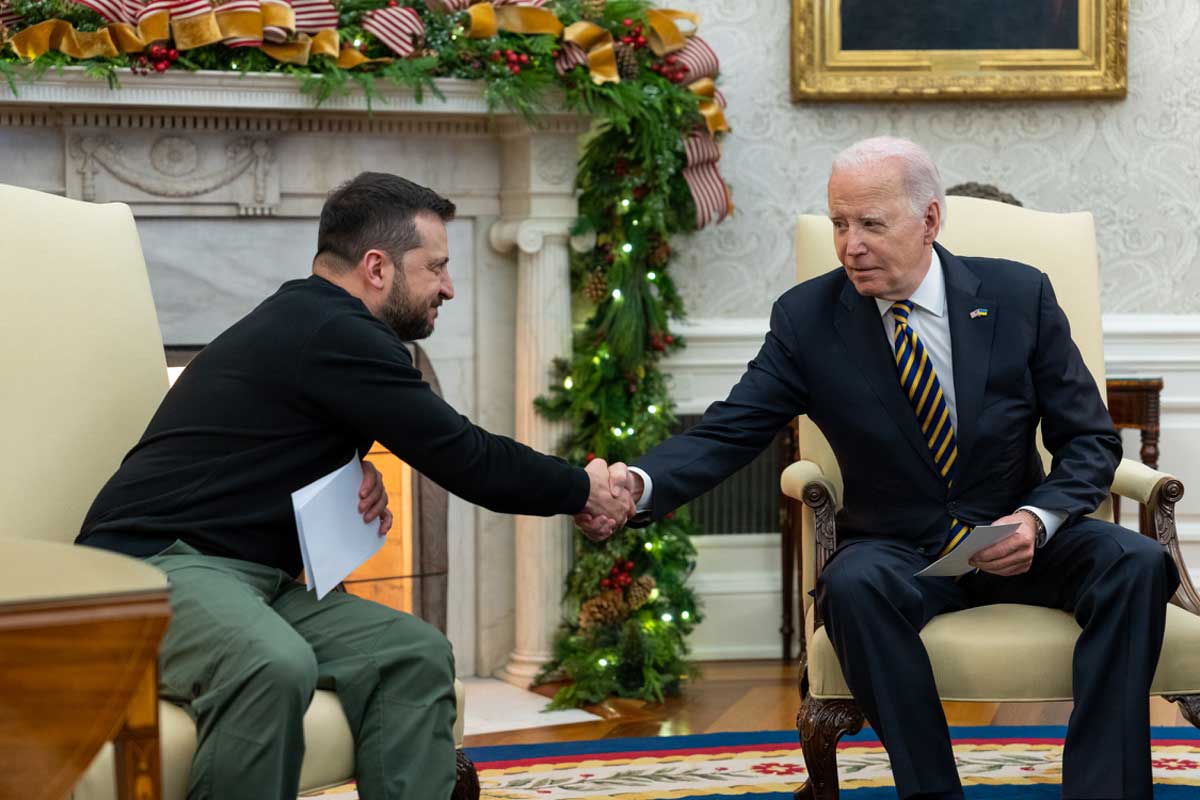
Ukrainian leaders emerged from hastily arranged talks in London on December 8 saying they would refine a 20 point framework for peace and submit it to the United States, part of an effort to shape any future negotiation around the war with Russia. President Volodymyr Zelenskiy framed the revision as a recalibration intended to offset elements of a U.S. backed draft that many in Kyiv believe would leave Ukraine vulnerable. He made clear that Ukraine will not cede territory.
The London meeting brought together British Prime Minister Keir Starmer and senior officials from France and Germany, and was aimed at bolstering Kyiv’s negotiating position while pressing allies for tangible security guarantees. Delegates discussed a package that would include robust air defences and long term financial commitments to sustain Ukraine’s military and civil infrastructure through a protracted conflict. European leaders also examined proposals to leverage frozen Russian assets to finance reconstruction and defence needs.
Those proposals face substantial legal and political hurdles. Converting frozen state assets into funding for Ukraine would require new legislation or judicial rulings in several jurisdictions, and would almost certainly prompt litigation from Russia. Within the European Union and among individual member states, legal advisers have raised questions about precedent, sovereign immunity rules, and the E.U. budgetary processes that would be needed to channel any proceeds toward Kyiv. In the United States, Congress will play a decisive role. U.S. lawmakers remain divided on the scale and scope of additional aid packages, and any plan to repurpose seized assets would require careful drafting to survive constitutional and international law scrutiny.
The diplomatic choreography around the plan underscores continuing tensions among Ukraine’s partners over how best to end the war while preserving Ukrainian sovereignty. U.S. envoys have been active in shuttle diplomacy in recent weeks, seeking a compromise among allies and Kyiv. Despite those efforts, officials said there has been no breakthrough on core issues such as territorial sovereignty, leaving fundamental gaps between Kyiv’s insistence on territorial integrity and negotiating formulas some Western actors deem pragmatic.
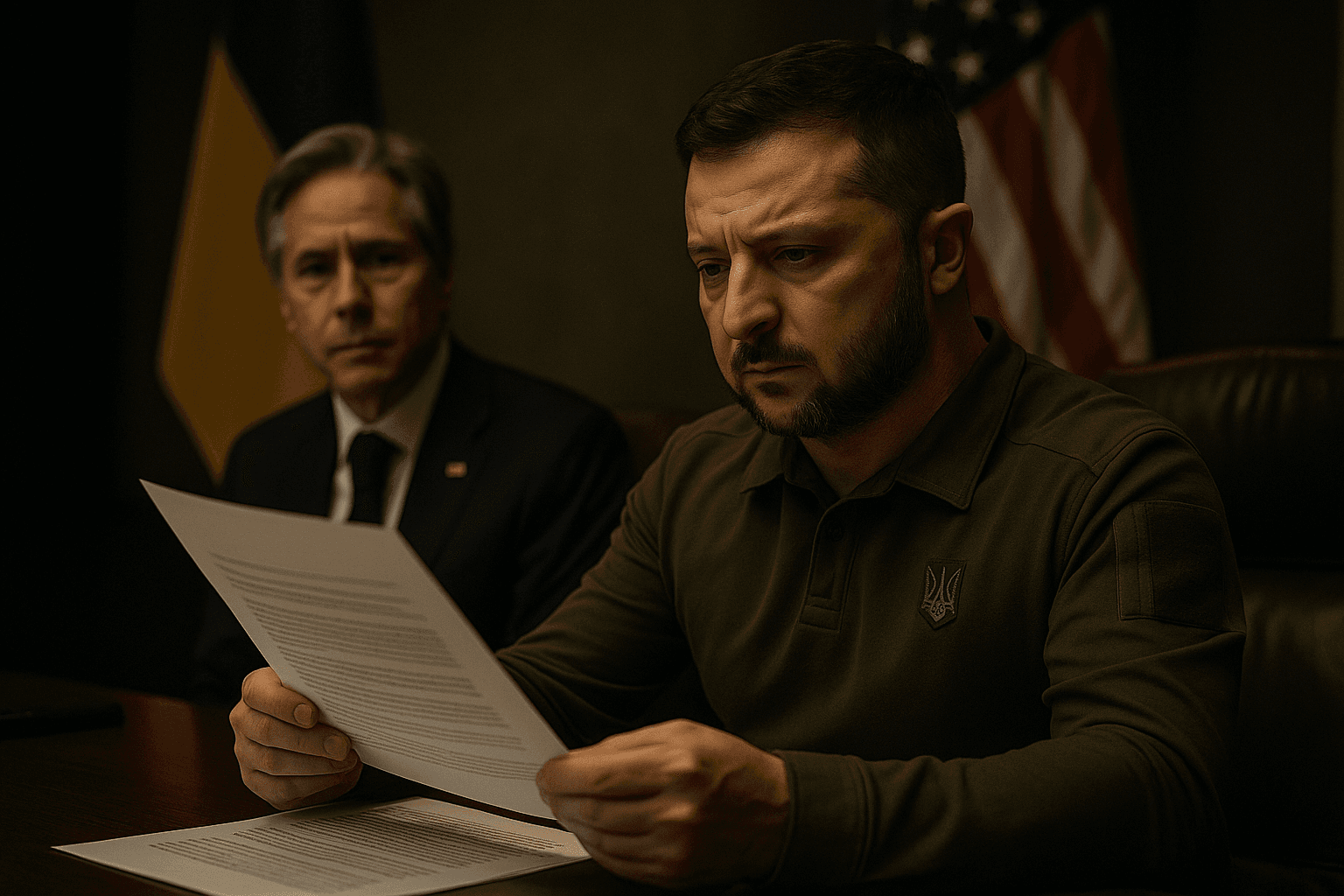
Domestically, Zelenskiy’s insistence that Ukraine will not relinquish territory speaks to the centrality of national sovereignty in Ukrainian civic engagement and political debate. Any perceived concessions could reshape public support and affect electoral politics in Kyiv. For Western governments, transparency and parliamentary oversight will be essential if they are to justify increased commitments to their publics and to preserve democratic accountability over both military aid and the handling of frozen assets.
The next stage will test the coherence of the Western alliance. Kyiv’s revised 20 point document is intended to move negotiations forward from principle to specifics, but success will depend on resolving legal barriers, forging a credible package of security guarantees, and achieving buy in from skeptical legislatures. Without clear progress on those fronts, diplomats warn the war may remain diplomatic and military stalemate rather than approaching a durable settlement.