U.N. Chief Condemns Houthi Court Referral of Detained Staff, Demands Release
U.N. Secretary General António Guterres on December 9 condemned Houthi authorities for referring dozens of detained U.N. personnel to a special criminal court, and the U.N. has called for their immediate release. The move deepens international concern over impediments to humanitarian aid in Yemen, where the detentions threaten operational access and the safety of local staff.
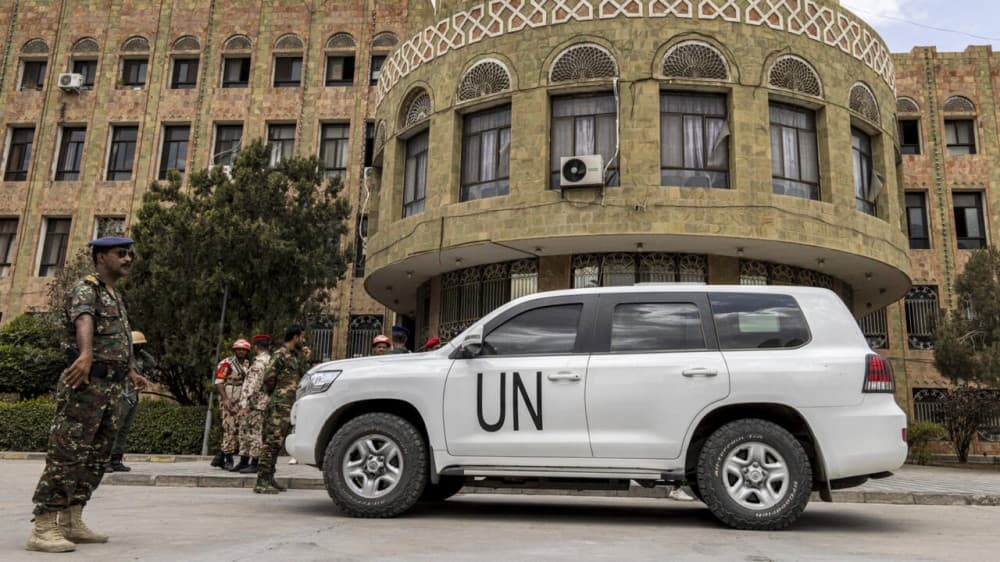
António Guterres issued strong public criticism on December 9 after U.N. officials disclosed that Houthi authorities in Yemen had referred dozens of detained United Nations staff to a special criminal court. A U.N. spokesperson said 59 U.N. personnel are being held, all reported to be Yemeni nationals, with many held incommunicado in some cases for years. The U.N. stressed that its staff enjoy immunity for acts performed in their official capacity and urged that the referrals be rescinded and that all detained agency personnel be released immediately.
The detention of local U.N. employees undercuts core principles of the international aid system. U.N. agencies rely heavily on national staff to deliver food, medicine and basic services across front lines and checkpoints, and the prospect of criminal prosecution raises the cost and risk of maintaining programs in the areas under Houthi control. U.N. officials at headquarters and in the field warned that prosecutions or prolonged detentions would have a chilling effect on recruitment and retention of local personnel, complicating relief operations that reach millions of Yemenis.
The case comes against the backdrop of Houthi control over large parts of Yemen since 2014 to 2015. The group administers key population centers and ports, and its actions have long shaped humanitarian access. The U.N. says the detentions violate international law, including the established immunities that protect U.N. staff carrying out official functions. By placing aid workers at risk of prosecution, the referrals increase the likelihood of interruptions to relief convoys, reductions in on the ground presence and greater reliance on third parties to deliver assistance.
Beyond immediate humanitarian consequences, the dispute carries broader diplomatic and economic implications. Donor governments that fund U.N. operations may reassess risk management and oversight, potentially shifting resources away from direct operations in Houthi controlled areas. Aid agencies could increase recurring overheads to ensure staff security, and the reduced presence of experienced national staff could lower program efficiency and raise the cost of delivering each aid dollar to intended beneficiaries.

There are also regional market effects to consider. Yemen sits astride the Bab al Mandeb strait, a strategic maritime chokepoint. Political volatility that impairs governance and fuels confrontation has in recent years fed higher insurance premiums and disrupted shipping patterns through the Red Sea corridor. Further erosion of rule of law and increased targeting of international personnel could prompt additional commercial caution, adding friction to global supply chains that already contend with geopolitical risk.
International responses are likely to involve diplomatic pressure and potential multilateral measures aimed at protecting humanitarian access. The U.N. call for an immediate release places member states on notice and raises the prospect of coordinated action to safeguard personnel and operations. For Yemen, the incident is a reminder that prolonged conflict continues to corrode institutions, deter economic recovery and deepen reliance on external assistance unless parties restore basic protections for aid workers and the populations they serve.
Sources:
Know something we missed? Have a correction or additional information?
Submit a Tip