U.S. backed Board of Peace to oversee Gaza reconstruction, governance
An international governing body called the Board of Peace is expected to be announced by the end of 2025 to run Gaza’s reconstruction under a U.N. mandate, senior Arab and Western officials told The Associated Press. The plan raises immediate questions about Palestinian representation, financing and the timing of an international stabilization force that could deploy early in 2026.

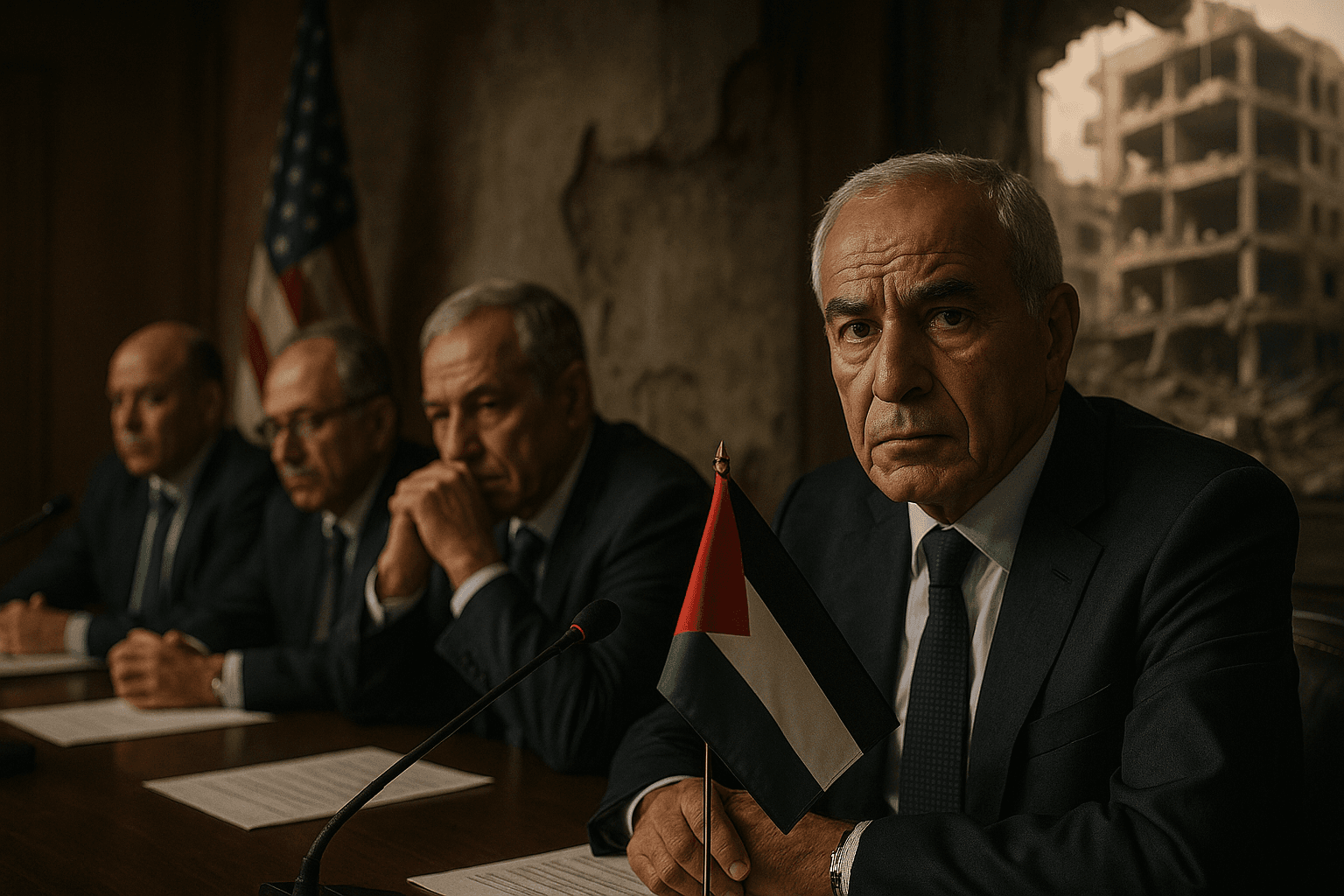
Arab and Western officials told The Associated Press on December 5 that a U.S. brokered authority to oversee governance and reconstruction in the Gaza Strip, referred to in ceasefire documents as the Board of Peace, is expected to be unveiled by the end of 2025. The body would operate under an initial two year renewable U.N. mandate and would be chaired by U.S. President Donald Trump, according to the officials. It is to include roughly a dozen Middle Eastern and Western leaders, while a separate committee of Palestinian technocrats would manage day to day administration.
The plan envisions an armed International Stabilization Force to secure Gaza and press for the disarmament of Hamas, a central Israeli demand. U.S. diplomats and officials said discussions about deployment were expected to continue through late 2025 and that boots on the ground could be possible in early 2026. Key elements remain unresolved, most notably the scope of troop commitments and the sources of reconstruction funding, officials said.
Palestinian leaders and some Arab states have expressed concern about limited Palestinian representation on the Board of Peace and the lack of clarity in the documents about a pathway to Palestinian statehood. Those reservations could complicate efforts to marshal international support and donor financing, as legitimacy and local buy in are widely regarded as prerequisites for sustainable reconstruction and security arrangements.
From an economic perspective, placing Gaza under an international authority will create an immediate large scale demand for humanitarian aid, reconstruction capital and long term investment. While exact cost estimates for rebuilding are not specified in the ceasefire documents cited by officials, the scale of destruction and the need for sustained infrastructure investment imply multi year financing needs. The uncertainty around who will underwrite those costs increases the risk that donor pledges will fall short, slowing reconstruction and extending dependency on emergency assistance.
Market implications are likely to be felt unevenly. Regional banks and sovereigns that are major donors may face balance sheet pressures if asked to commit large sums on tight timelines. Defense and logistics firms could see increased contract opportunities if an international stabilization force is deployed. Conversely, persistent political uncertainty could weigh on investor sentiment in the region, affecting risk premia and capital flows until a clearer governance and financing framework is in place.
Negotiations on the plan’s second phase, which will address Israeli withdrawals, the mechanics of disarmament and the final composition of the stabilization force, are expected to be difficult. Officials said progress on those topics would likely be linked to a high level meeting between President Trump and Israeli Prime Minister Benjamin Netanyahu later in December. How those talks resolve matters of timing, troop contributions and Palestinian representation will determine whether the Board of Peace can move quickly from concept to implementation and whether Gaza’s long term governance shifts toward internationally supervised reconstruction and stabilization.