U.S. Clears $111.8 Million Sale of Small Diameter Bombs to South Korea
The State Department has approved a potential $111.8 million foreign military sale of GBU-39/B Small Diameter Bombs and related equipment to South Korea, a move announced in a Pentagon or DSCA notice reported by wire services. The notification names Boeing as the principal contractor and signals Washington's support for strengthening Seoul's precision strike capabilities, while the sale must still clear a routine congressional review.
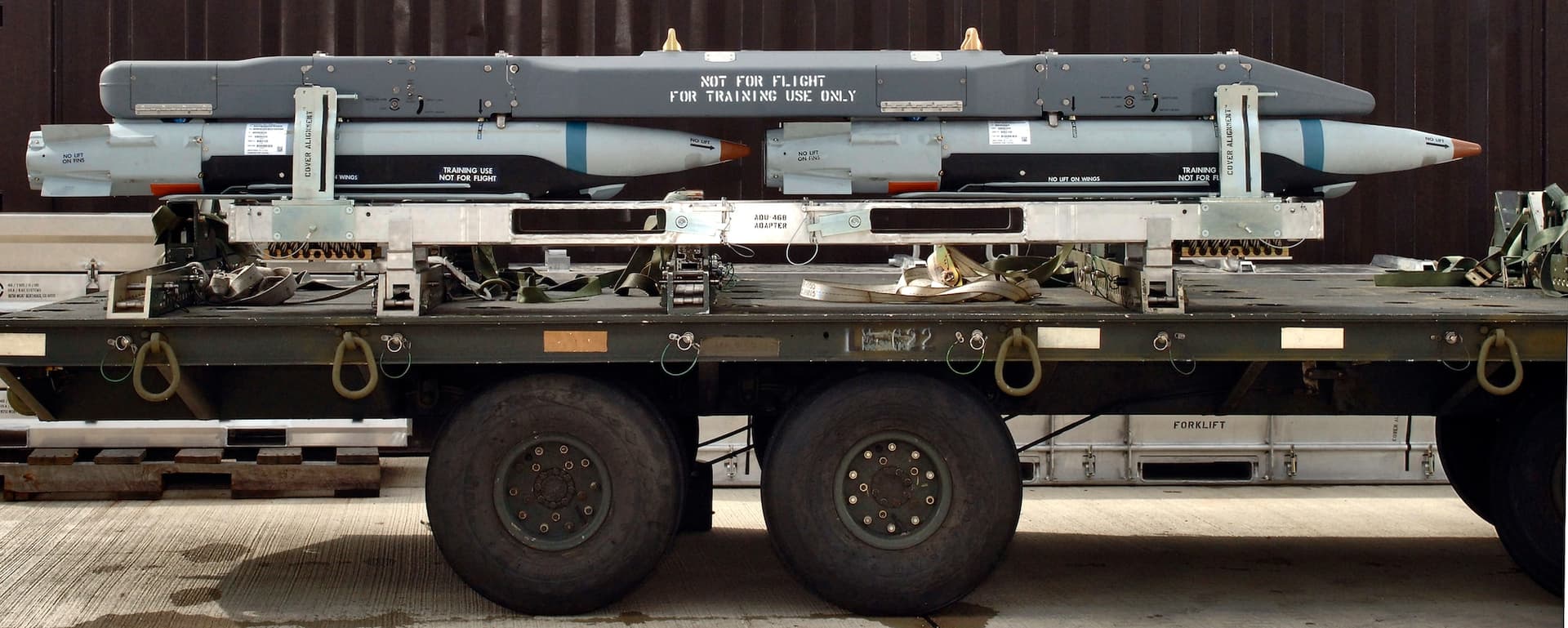
The U.S. State Department has approved a potential foreign military sale to South Korea of GBU-39/B Small Diameter Bombs and associated equipment valued at an estimated $111.8 million, the Pentagon and the Defense Security Cooperation Agency said in a notice reported by wire services on December 6, 2025. Boeing is identified as the principal contractor in the notification to Congress, a standard step in the Foreign Military Sales process that does not constitute a signed contract.
The GBU-39/B Small Diameter Bomb, commonly known by its designation SDB I, is a compact precision munition designed to expand a strike aircraft's payload and increase target discrimination. The DSCA notice places the transaction within Washington's broader effort to bolster allied precision strike inventories as regional security pressures persist on the Korean Peninsula.
The notification opens a statutory congressional review period, which typically provides 30 calendar days for lawmakers to examine and potentially block or modify the sale. Assuming no congressional objection, the State Department and the Defense Department can proceed with contracting and delivery arrangements, though further agreements and timelines would be subject to negotiation and scheduling.
Analysts say the modest dollar value of the potential sale indicates an incremental upgrade rather than a sweeping shift in Seoul's strike posture. At $111.8 million, the package is relatively small compared with the multibillion dollar procurement programs that shape long term defense spending. Still, for alliance interoperability and tactical effectiveness, the addition of SDB I munitions could meaningfully improve South Korean air forces' ability to prosecute precision strikes with fewer aircraft and munitions.
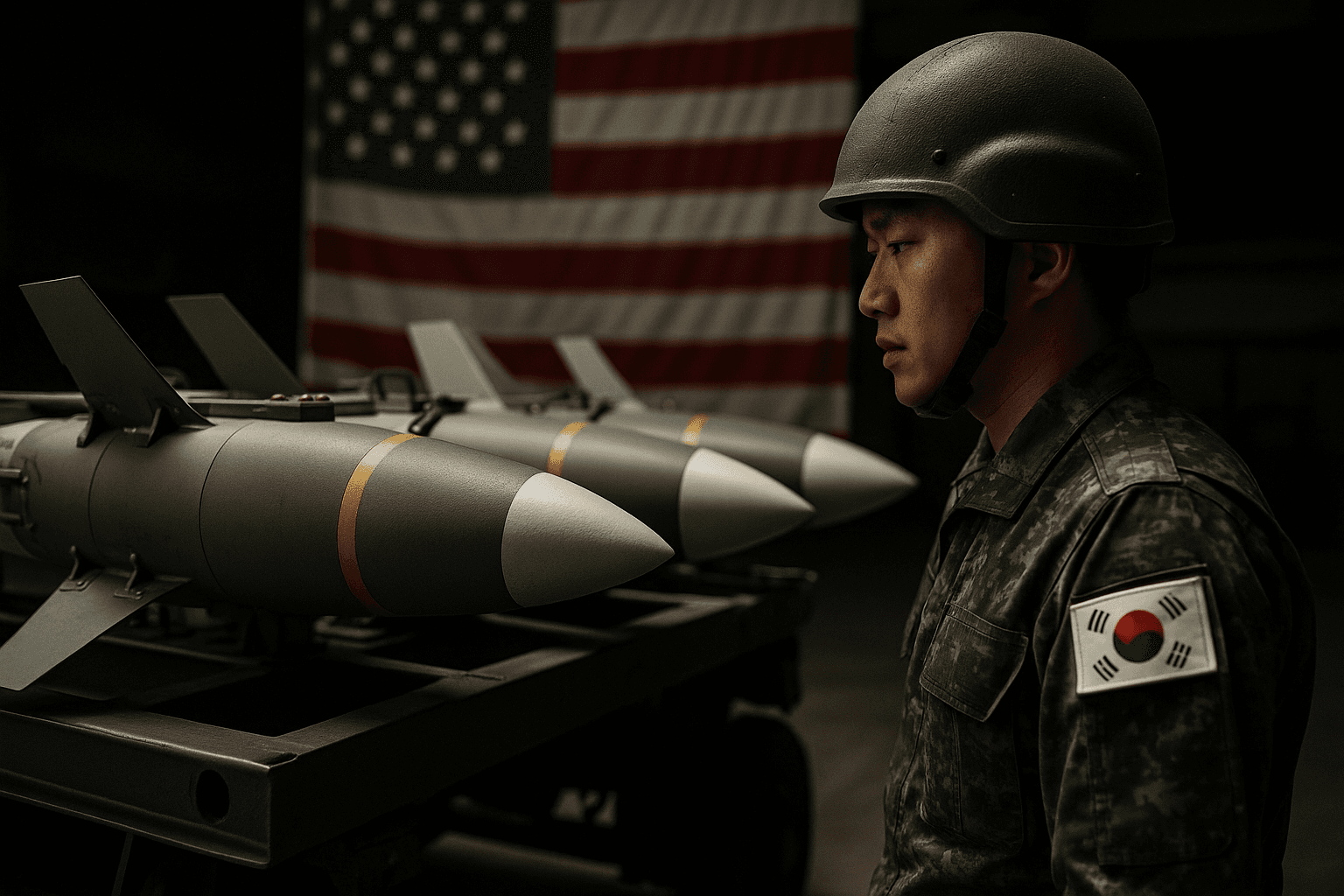
Boeing's role as principal contractor underscores the continued importance of U.S. defense suppliers in South Korea's modernization drive. While the sale alone will not materially alter Boeing's overall revenue profile, it contributes to the company order pipeline and to the industrial ties that underpin U.S. security cooperation with partners in East Asia.
Policy makers in Washington and Seoul have been emphasizing deterrence amid an intensifying regional threat environment. South Korea has been steadily expanding its conventional and intelligence capabilities in response to North Korea's growing long range missile and nuclear capacities. The SDB I purchase fits within that larger trend of upgrading precision munitions to increase target sets and reduce collateral risk.
The DSCA notification, reported by wire services, reiterates that FMS notices are consultative. They reflect U.S. intent to supply allied forces with systems that enhance combined operations, while leaving final procurement steps to formal contracting and Congressional oversight. If Congress does not object within the review window, the sale will move to contracting phases that determine production schedules and delivery dates.