U.S. Condemns Chinese Radars Aimed at Japanese Jets Near Okinawa
The State Department for the first time publicly accuses Chinese fighter jets of locking radar on Japanese aircraft during an encounter near Okinawa last week, calling the actions destabilizing for the region. Washington says the conduct is "not conducive to regional peace and stability" and reiterates an "unwavering" commitment to Japan as Tokyo and Beijing trade competing accounts.
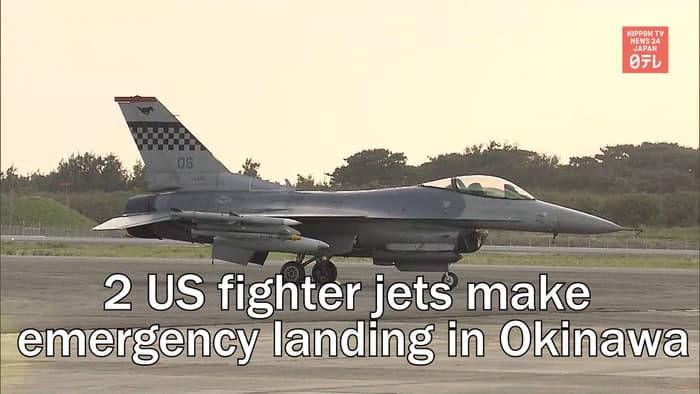
The United States on Wednesday publicly criticized Chinese fighter jets for aiming their radars at Japanese military aircraft during an encounter near Japan's Okinawa islands last week, a rare direct rebuke that highlights rising tensions in East Asia. Washington said the behavior was "not conducive to regional peace and stability" and stressed an "unwavering" commitment to Japan, signaling a sharpened diplomatic posture as Tokyo and Beijing issue competing accounts.
Japanese officials reported the radar displays as a dangerous escalation, prompting Tokyo to scramble jets to monitor joint long range patrols by Russian and Chinese aircraft in the surrounding airspace. The patrols reflect deeper military cooperation between Moscow and Beijing that Tokyo and its allies view as a growing security challenge for the region. Japan has lodged protests to Beijing and increased surveillance sorties in response.
Beijing defended its activities, saying training operations were lawful and proportionate. Chinese state media framed the maneuvers as routine exercises to safeguard national sovereignty and maritime approaches. The Chinese description contrasts sharply with Japan's characterization of the radar action as a potentially threatening act that increases risks for pilots operating in busy air corridors near Okinawa, a prefecture with a long history of strategic importance to both regional security and local politics.
Analysts caution that the episode underscores several broader shifts in the regional security landscape. The public U.S. chastisement breaks with more muted diplomatic practice and reflects Washington's interest in deterring behavior it sees as aggressive while reassuring Tokyo that the alliance remains central to U.S. strategy in Asia. At the same time, Chinese emphasis on lawfulness and proportionality signals Beijing's desire to maintain a narrative of normalcy around its expanding air and naval presence.
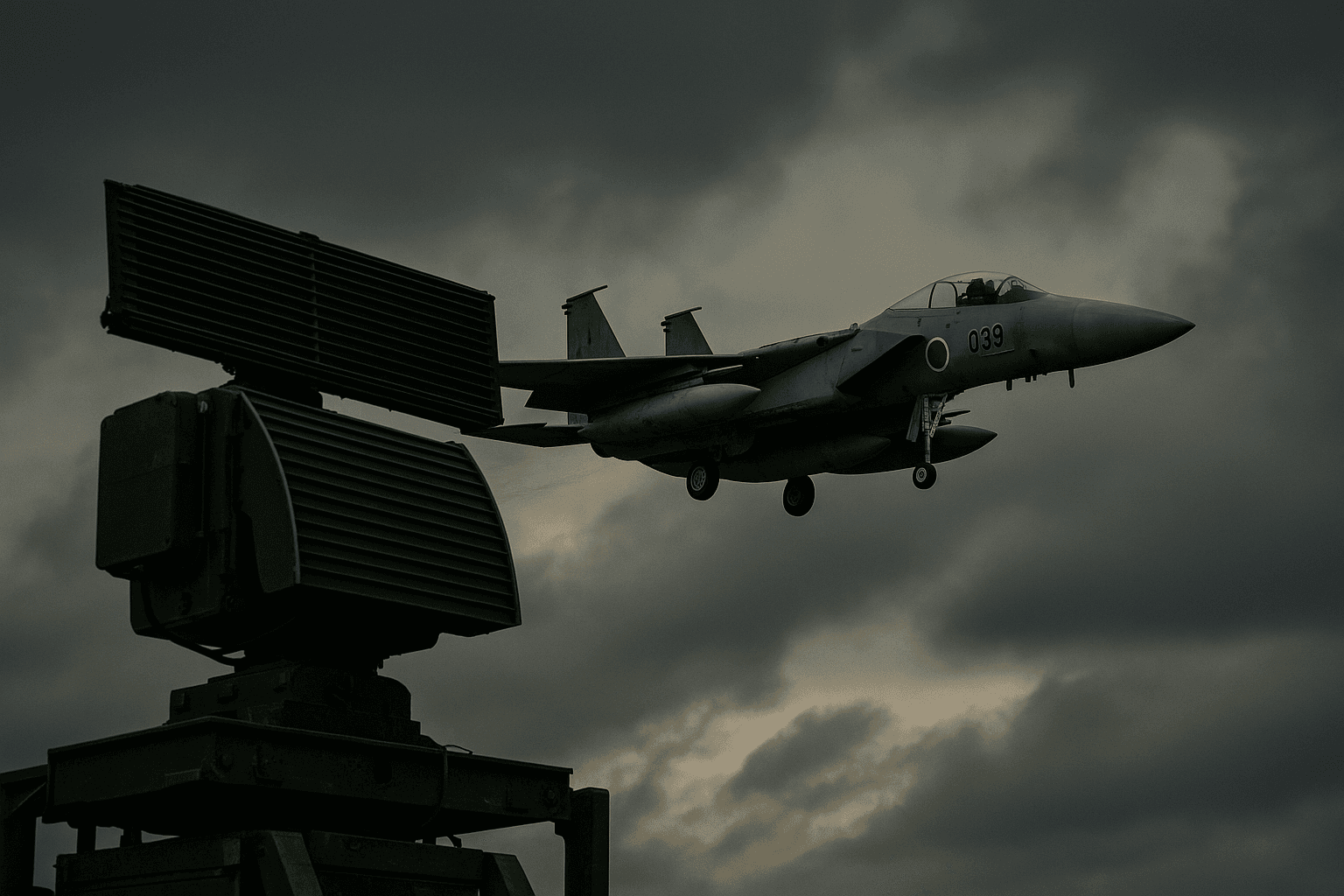
International law does not squarely ban the use of radar systems against foreign aircraft, yet such incidents can escalate because radar locks are interpreted by pilots as precursors to targeting. Safety of flight and customs among military aviators have long been informal restraints designed to prevent miscalculation. Observers say the absence of robust crisis communications between the militaries of the involved powers increases the chance that routine interceptions could spiral into unintended confrontation.
For Okinawa, where the U.S Japan security relationship is most visible on the ground, the incident has domestic ramifications. Residents and political leaders already voice concern about the heavy U.S. military footprint and the risks posed by increased regional competition. Tokyo faces a delicate balancing act, tightening defense cooperation with Washington while seeking to manage an economically significant but politically fraught relationship with Beijing.
As Tokyo, Washington and Beijing exchange diplomatic notes and public statements, attention will focus on whether the three sides can agree on measures to reduce the risk of air encounters. Without new confidence building measures or clearer lines of military communication, analysts warn that similar incidents are likely to recur, further testing fragile regional norms and the limits of restraint in a more contested Indo Pacific.
Sources:
Know something we missed? Have a correction or additional information?
Submit a Tip