U.S. Excludes South Africa From Early G20 Deputy Sherpas Meeting
Reuters reported on December 10 that the United States, having assumed the G20 rotating presidency, convened an initial meeting of deputy sherpas to begin planning for next year, and that South Africa was not invited to that session. The omission signals a diplomatic rupture with Pretoria that could reshape how the G20 engages with African representation and the broader Global South.
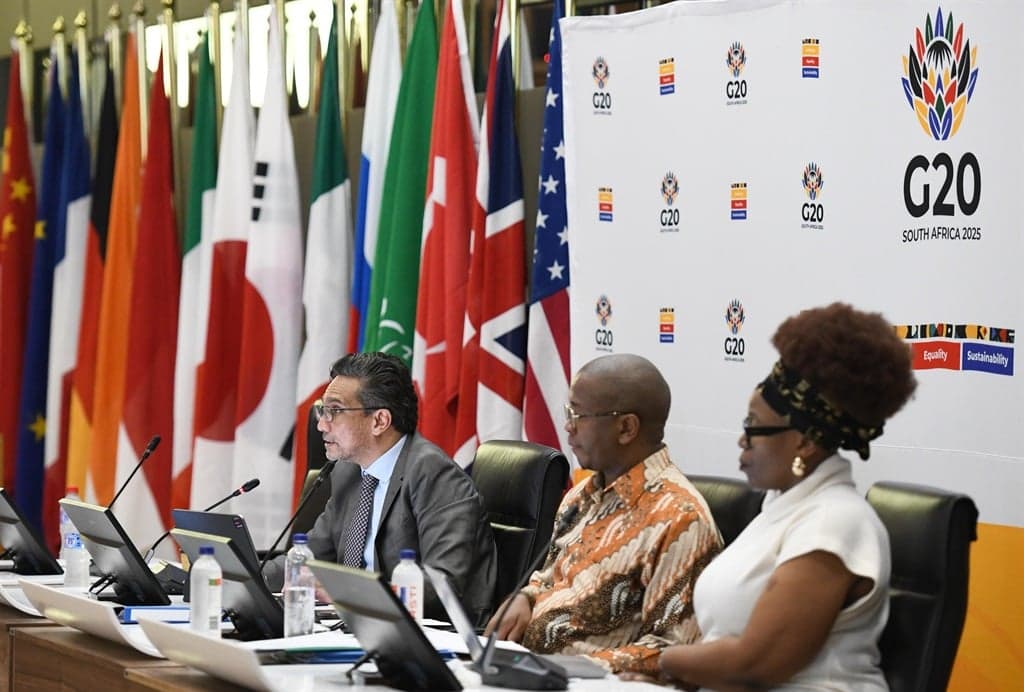
The United States opened its G20 presidency with a decision that has already reverberated through diplomatic circles. Reuters reported on December 10 that Washington convened a meeting of G20 deputy sherpas to begin planning for the year ahead, but did not invite South Africa, the country that completed the rotating presidency this year. Sources described the exclusion as reflecting heightened tensions between the two capitals over disputes that include U.S. criticism of South Africa's domestic policies.
The choice to omit the outgoing president from an initial sherpa level meeting is striking in a forum that has traditionally relied on continuity and consensus. Sherpas and deputy sherpas are the officials who prepare meeting agendas, negotiate communiqués and lay the groundwork for leaders meetings. Excluding Pretoria from those technical and preparatory conversations risks fracturing lines of communication just as the United States seeks to set priorities for the G20 agenda.
Sources cited by Reuters said the U.S. is streamlining G20 activities during its presidency and aims to refocus the grouping on specific goals. The White House declined immediate comment. The move highlights the informal but potent power the presidency wields to shape process and personnel at critical moments. It also underscores how bilateral tensions can ripple into multilateral institutions where inclusivity and representation are central to legitimacy.
South Africa occupies a distinct position within the G20. As the only African member and a recent chair, Pretoria has portrayed itself as a bridge between the continent and the advanced economies and emerging markets of the G20. Its exclusion from preparatory meetings could deepen perceptions in parts of the Global South that the forum is drifting away from inclusive engagement on development, debt, and finance issues that many nations view as existential.
Beyond symbolism, the gap in engagement could have practical consequences. Negotiations on tax frameworks, climate finance, debt relief mechanisms and multilateral investment flows often depend on early technical consensus. If South African officials are sidelined during the formative phases of agenda setting, the resulting packages risk lacking the buy in needed to translate into durable commitments, or they may fail to address Africa specific priorities adequately.
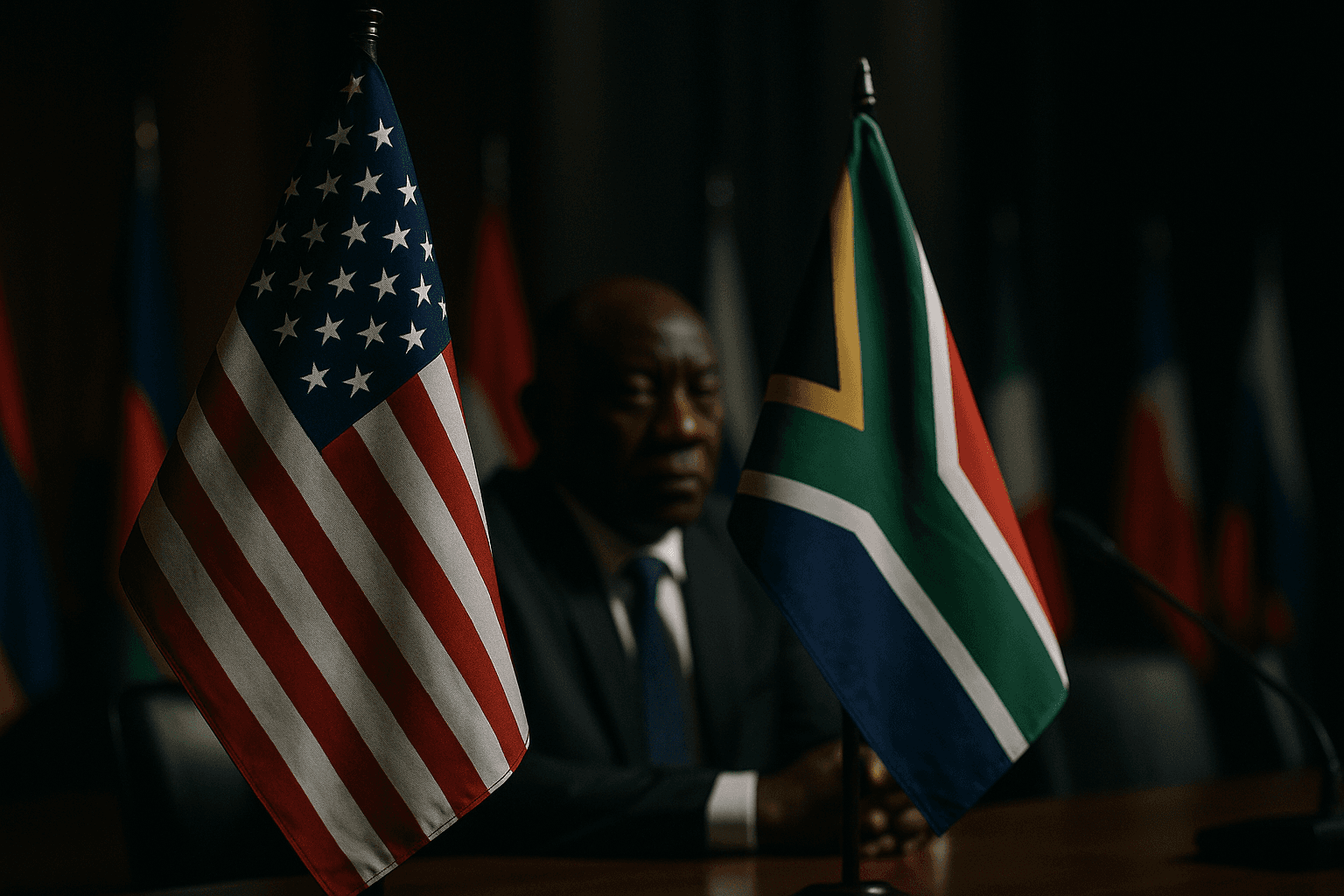
The decision also plays into broader geopolitical competition. As debates over forum legitimacy intensify, alternative groupings that include South Africa may see an opportunity to underline their relevance. At the same time, Washington appears intent on asserting a more narrowly focused G20, potentially concentrating on issues where it sees immediate leverage.
Diplomats and analysts will be watching how Pretoria responds, and whether other members voice concern privately or publicly. The United States may calculate that streamlining will deliver clearer outcomes, but it also faces the prospect of alienating a partner whose participation lends regional balance and moral authority in conversations about global governance.
With G20 sherpa processes now underway, the incident will be an early test of whether a presidency can reset the forums direction without incurring long term diplomatic costs. Reuters reporting on December 10 established the facts of the omission, and the White House has so far declined immediate comment.
Sources:
Know something we missed? Have a correction or additional information?
Submit a Tip