U.S. Forces Seize Sanctioned Oil Tanker Near Venezuela, Trump Confirms
The United States seized a tanker off Venezuela in a military led operation, President Donald Trump confirmed, in an unprecedented enforcement action tied to sanctions evasion. The move raises the prospect of sharper diplomatic confrontation with Caracas and a renewed risk premium in global oil and shipping markets.

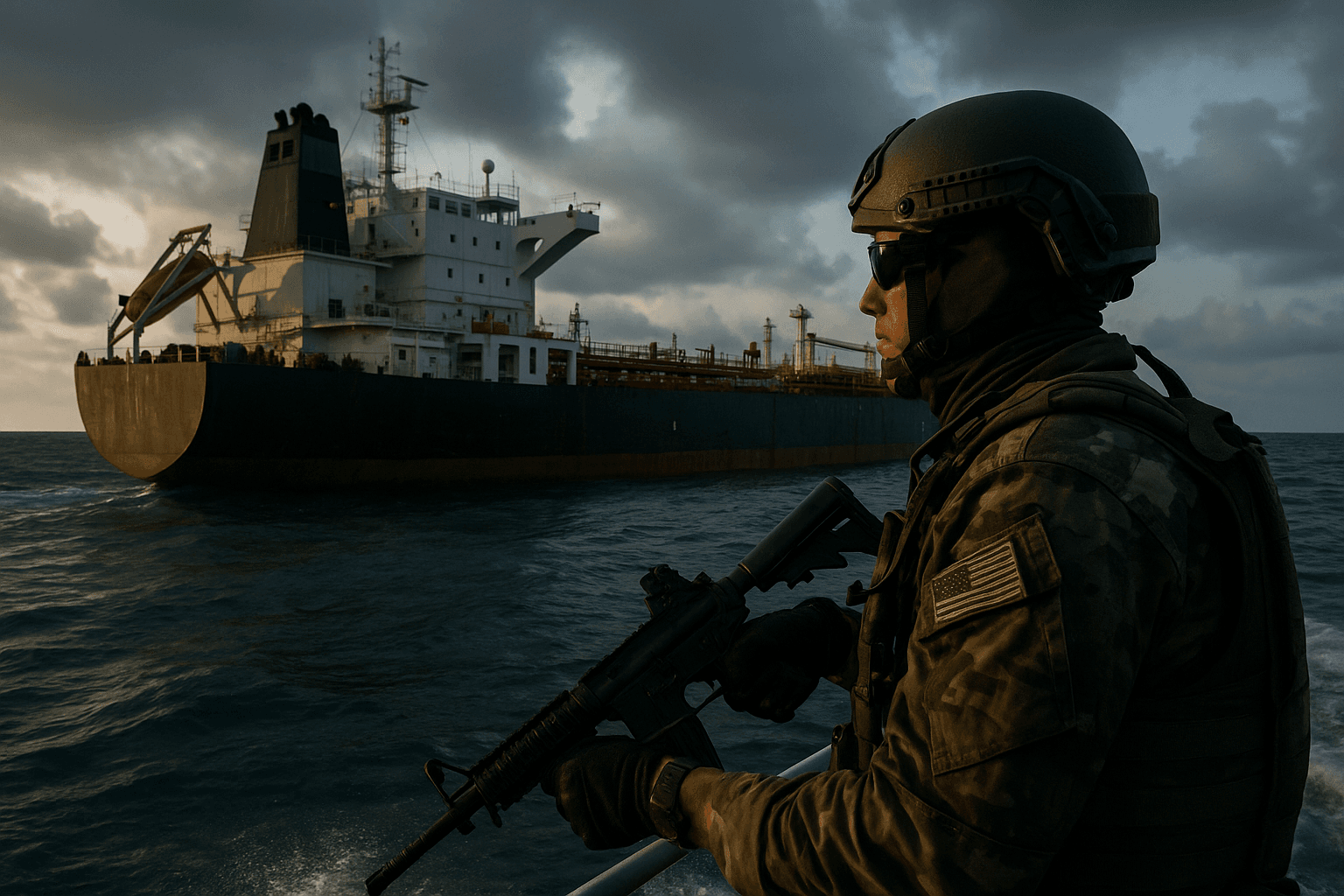
U.S. authorities carried out a military led seizure of an oil tanker off the coast of Venezuela on Thursday, executing a court warrant that the White House said targeted shipments linked to sanctioned networks. President Donald Trump confirmed the operation, and U.S. agencies including the Coast Guard, the Federal Bureau of Investigation and the Department of Homeland Security were involved, officials said. Video circulated on social media and through news outlets showed helicopters overflying the vessel as personnel boarded the ship.
Reports identified the tanker as the Skipper, formerly known as Adisa, and U.S. officials said the seizure was part of a broader effort to disrupt networks that move oil to circumvent U.S. sanctions. The action is notable as the first known tanker seizure since a U.S. military build up near Venezuela earlier this year, Reuters reported. The U.S. move follows years of stepped up enforcement aimed at curbing illicit shipments and ship to ship transfers that have helped some buyers obtain Venezuelan crude despite sanctions.
Venezuela condemned the seizure and promised to raise the matter with international bodies, calling the action "blatant theft." The statement from Caracas signaled a hardening of rhetoric that could presage diplomatic escalation or retaliatory measures, complicating already strained bilateral relations. Analysts warned the operation would heighten tensions between Washington and Caracas and increase uncertainty for shippers and insurers active in the Caribbean and Atlantic trading lanes.
Market participants reacted quickly to the news, with traders and analysts saying the seizure added a geopolitical risk premium. Oil markets tend to respond to disruptions or perceived risks to supply lines, and even enforcement actions that do not remove large volumes of crude can push traders to reprice near term risk. Shipping insurers and charterers are sensitive to sudden enforcement incidents because they can raise the cost of coverage and prompt route changes, which in turn increase freight costs for crude shipments.
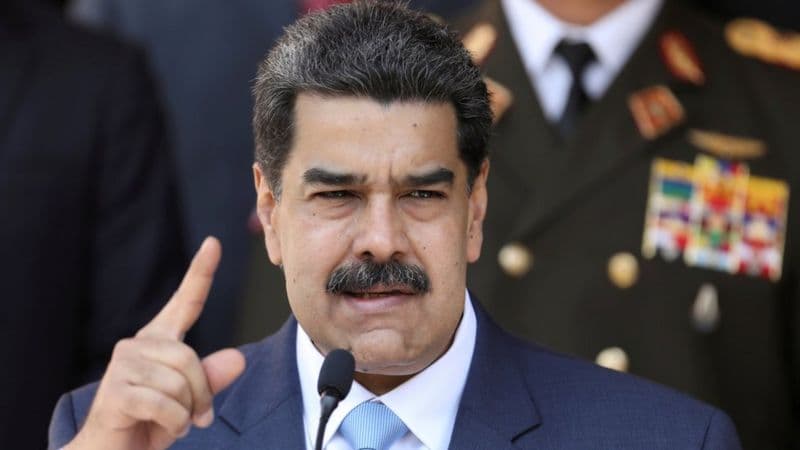
The seizure underscores the challenge regulators face in policing a complex web of intermediaries, shell companies and reflagged vessels that have enabled sanctioned cargoes to move. U.S. sanctions on Venezuelan oil have been a key element of American policy since 2019, aimed at pressuring the government of Nicolás Maduro. Enforcement through seizures and investigations seeks to choke revenue streams, but it also raises questions about legal jurisdiction and the diplomatic fallout from seizing a foreign flagged or operated vessel in or near a foreign exclusive economic zone.
For markets and policymakers the incident is a reminder that the intersection of sanctions enforcement and maritime commerce can produce abrupt shocks. Traders will be watching for any Venezuelan response and for follow up U.S. actions targeting other nodes in the alleged evasion networks. The broader question for governments is whether stronger enforcement will meaningfully reduce sanctioned revenue flows or instead catalyze more covert methods that further complicate oversight and raise costs for legitimate trade.
Sources:
Know something we missed? Have a correction or additional information?
Submit a Tip