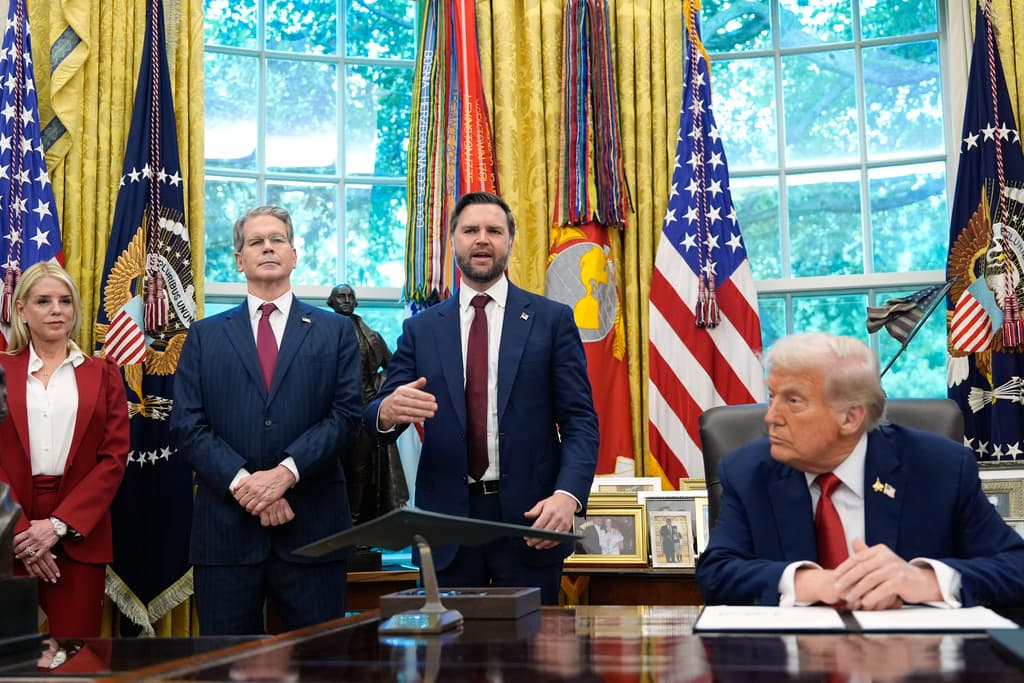
U.S. Forces Strike Three Suspected Drug Boats, Eight Killed
U.S. Southern Command says forces carried out kinetic strikes on three vessels in the Eastern Pacific on December 15, killing eight people and marking another episode in a campaign that began in September. The action, ordered by Defense Secretary Pete Hegseth according to SOUTHCOM, raises questions about legal authority, congressional oversight, and the longer term impact on narcotics flows into the United States.
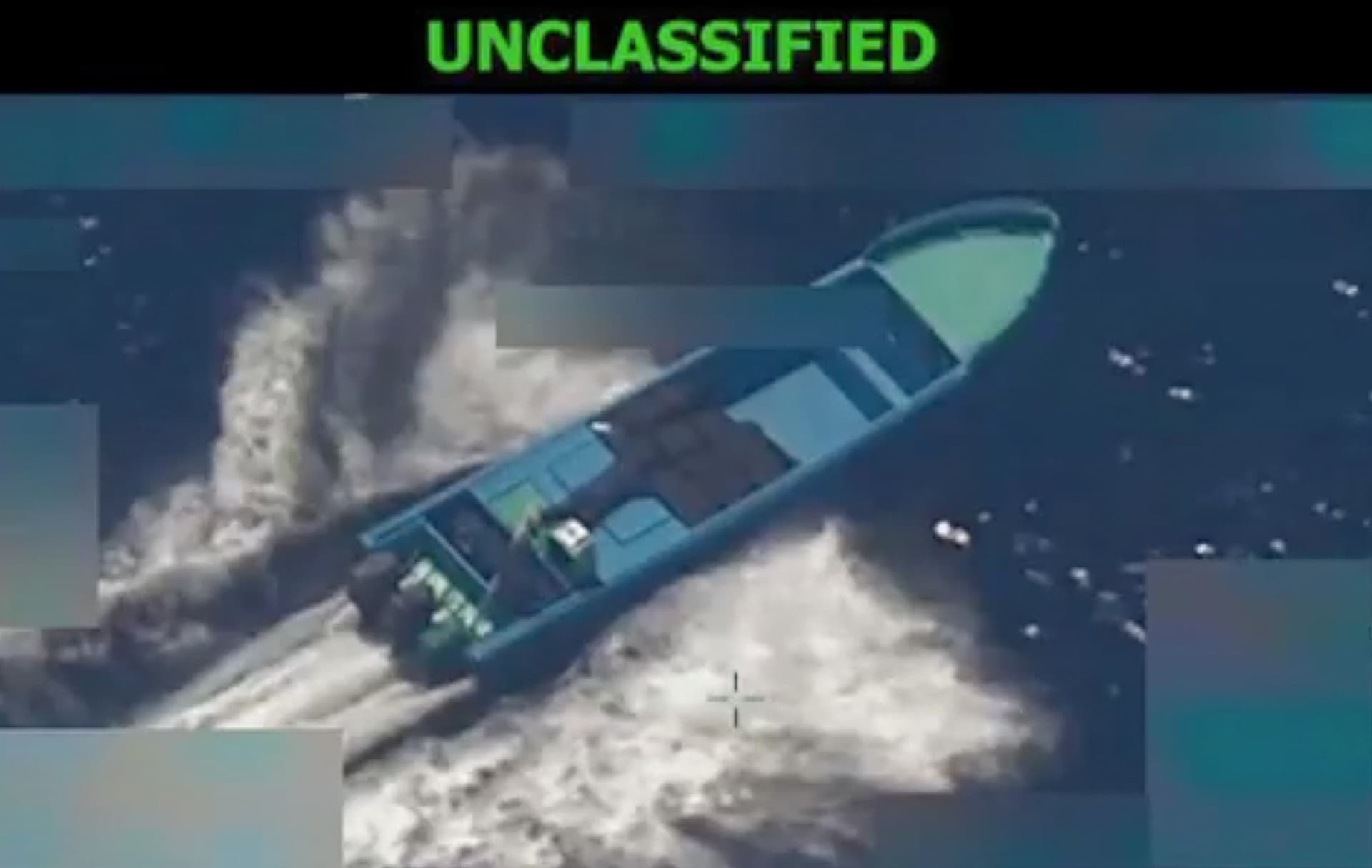
U.S. Southern Command announced that on December 15 U.S. forces struck three vessels in the Eastern Pacific that the command described as drug smuggling boats operated by groups it labeled Designated Terrorist Organizations. SOUTHCOM said eight people were killed across the three vessels, with casualties reported as three on the first boat, two on the second and three on the third. The command posted the announcement on social media and released video it said showed a vessel moving through the water before exploding.
SOUTHCOM said the boats were operating in international waters along known narco trafficking routes. Media reporting cited by the command and local outlets indicated that the strike package was ordered by Defense Secretary Pete Hegseth. NBC reported that the December 15 strikes were among roughly two dozen strikes carried out in the region since the operation began in early September. Public summaries and SOUTHCOM posts compiled in open sources list earlier strikes with reported casualty tallies on September 19, October 29, November 4, November 9, November 15 and December 4. Those prior tallies add to 22 deaths before December 15, bringing the campaign total to roughly 30 fatalities in public reporting. An Instagram post cited in open material claimed more than 80 deaths across the broader campaign, a figure that is not corroborated in official SOUTHCOM statements.
U.S. officials have signaled that senior national security officials will provide closed door briefings for House and Senate lawmakers following the latest strikes. News coverage cited a range of Capitol Hill contacts expected to be briefed. The December 15 action and the wider interdiction campaign represent a significant shift toward the use of U.S. military assets to interdict maritime drug shipments, a policy choice with legal and political implications that lawmakers are likely to press.
From an economic and market perspective the campaign aims to choke supply en route to the United States, where demand sustains the lucrative narcotics economy. Public accounts do not provide shipment volumes destroyed or identities of the deceased, limiting the ability to measure immediate impact on wholesale prices or cartel revenues. Historical evidence from previous interdiction efforts suggests that seizures and strikes can temporarily disrupt flows, but traffickers adapt by altering routes, changing conveyances and increasing operational security. Analysts caution that sustained reduction in supply typically requires sustained interdiction coupled with demand reduction and strengthened regional law enforcement.
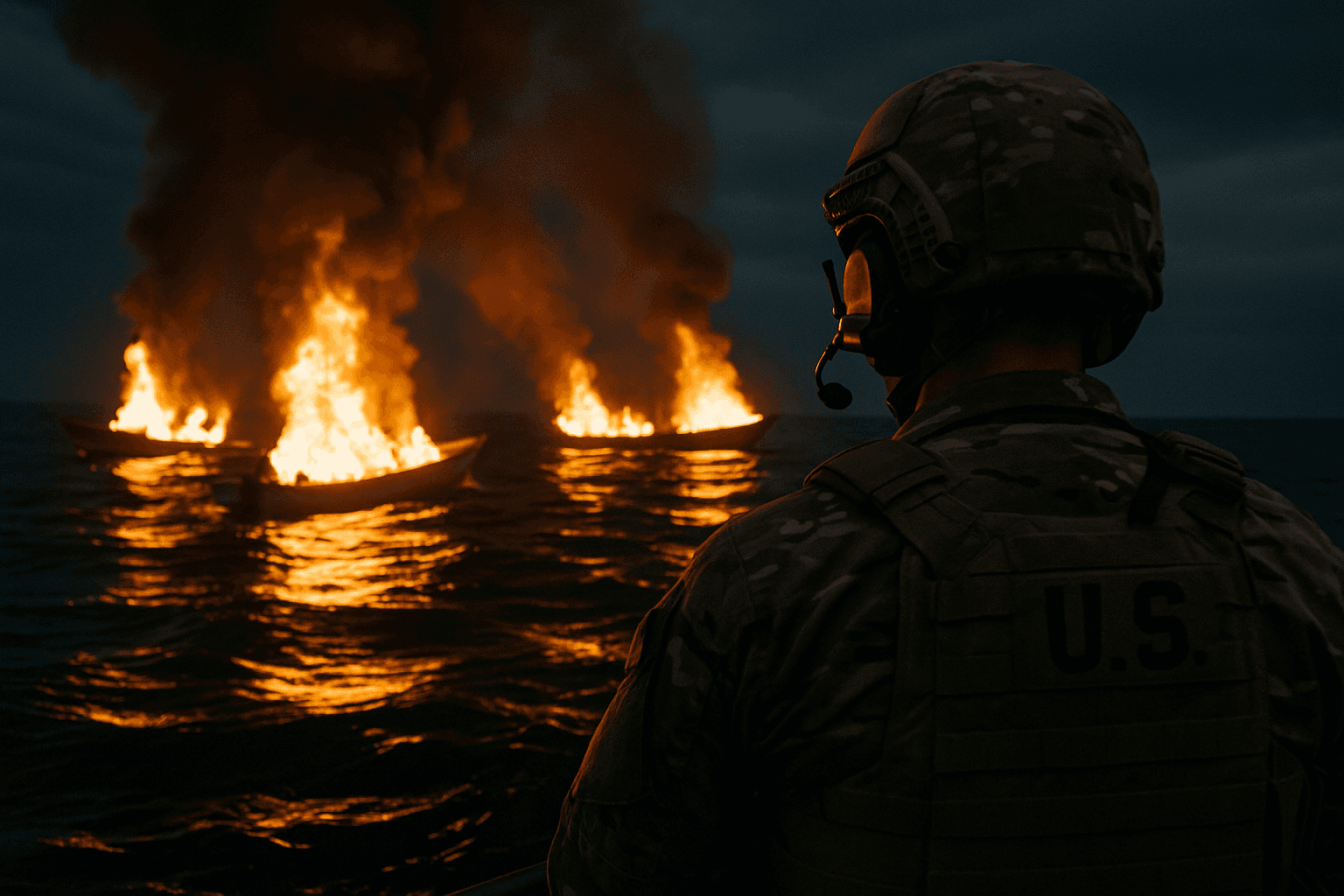
The campaign also carries budgetary and market consequences. Deploying naval and air assets for interdiction increases operational costs and shifts maintenance and personnel demands within the defense budget. Heightened military activity in maritime corridors could also affect insurance premiums and risk assessments for commercial shipping in the region, though concrete market movements have not been reported following the December 15 action.
Policy questions now center on the legal basis for strikes in international waters, the criteria for labeling organizations as terrorist entities when they are principally criminal traffickers, and the balance between military action and multilateral law enforcement. As the campaign continues, its effectiveness will be judged not only by immediate interdiction counts but by longer term changes in trafficking patterns, cartel adaptation, and U.S. domestic demand for illicit drugs.
Sources:
Know something we missed? Have a correction or additional information?
Submit a Tip