Victoria declares state of disaster as bushfires ravage southeast
Victoria declared a state of disaster on January 10 after a week-long heatwave and fierce winds fuelled multiple catastrophic bushfires across the state’s southeast. The measure grants emergency powers to compel evacuations as firefighters battle blazes that have destroyed homes, scorched vast native forest and threaten more communities.
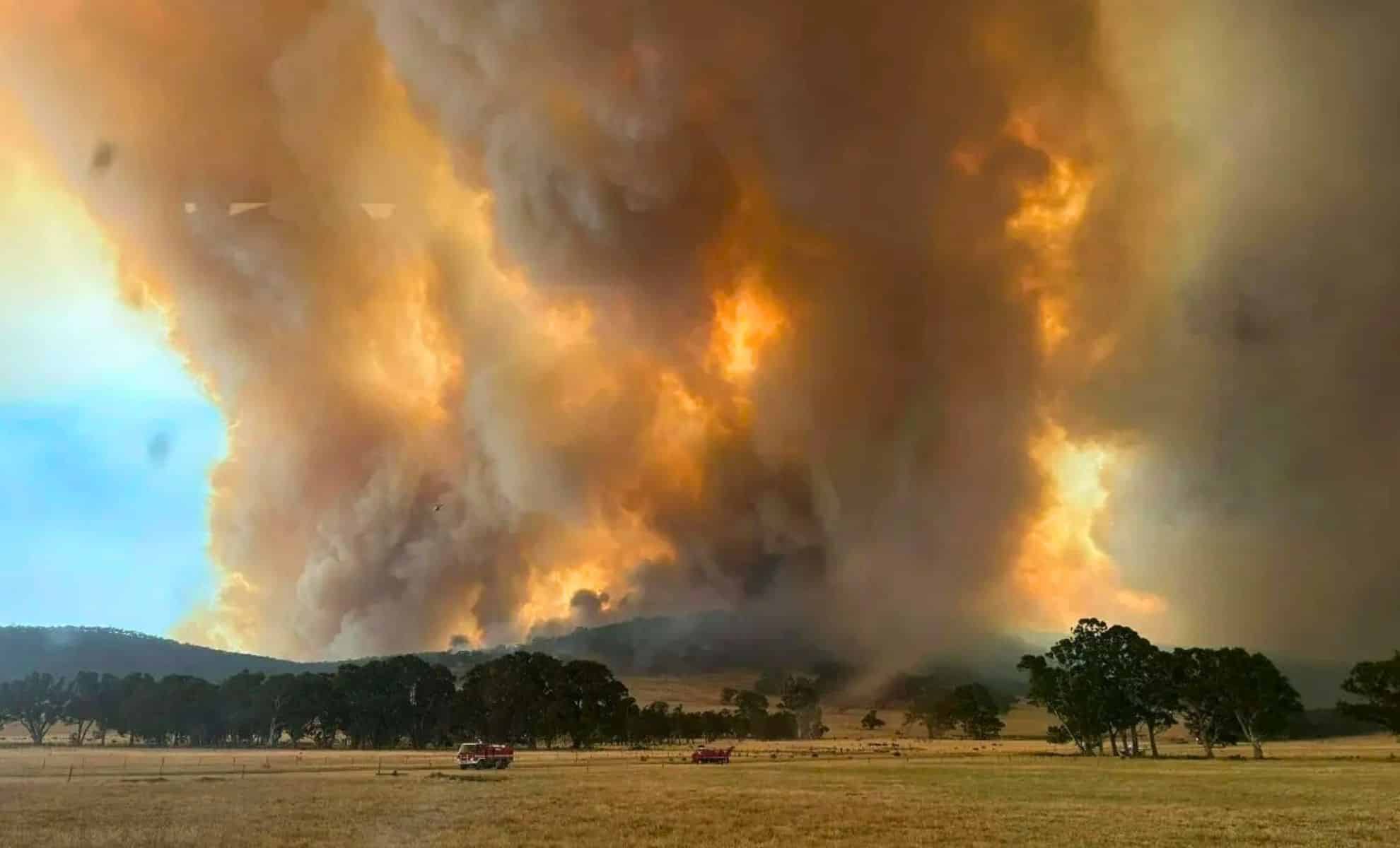
Victoria’s government declared a state of disaster on January 10 as more than 30 bushfires continued to burn across the state’s southeast, driven by a severe heatwave and hot winds. The declaration gives authorities expanded powers to enforce evacuations and take other emergency measures as crews attempt to contain fires that have already destroyed homes and large tracts of native forest.
One of the largest blazes, commonly referred to as the Longwood fire, has burned almost 150,000 hectares, roughly 370,000 acres, of native forest in an area between Seymour and Yea about 100 kilometres north of Melbourne. Night-time imagery showed the sky glowing orange as the Longwood fire advanced through bushland. Other major firegrounds included a blaze ripping through Mount Lawson State Park and a severe fire near the small town of Walwa in northeastern Victoria, where the fire generated its own lightning and a localised thunderstorm, known as a pyrocumulonimbus.
The fires were fed by a heatwave that sent daytime temperatures past 40 degrees Celsius in early January, with some forecasts and on-the-ground reports expecting highs near 43 degrees. Officials and emergency planners compared the fire weather to conditions seen during the catastrophic 2019–2020 Black Summer fires that razed millions of hectares around the country.
Emergency Management Commissioner Tim Wiebusch reported that at least 130 structures had been destroyed across Victoria, including houses, sheds and other buildings. Local assessments in the small town of Ruffy placed that community’s immediate loss at around 20 houses. Three people initially reported missing inside one of the state’s most dangerous firegrounds were later found safe, authorities said.
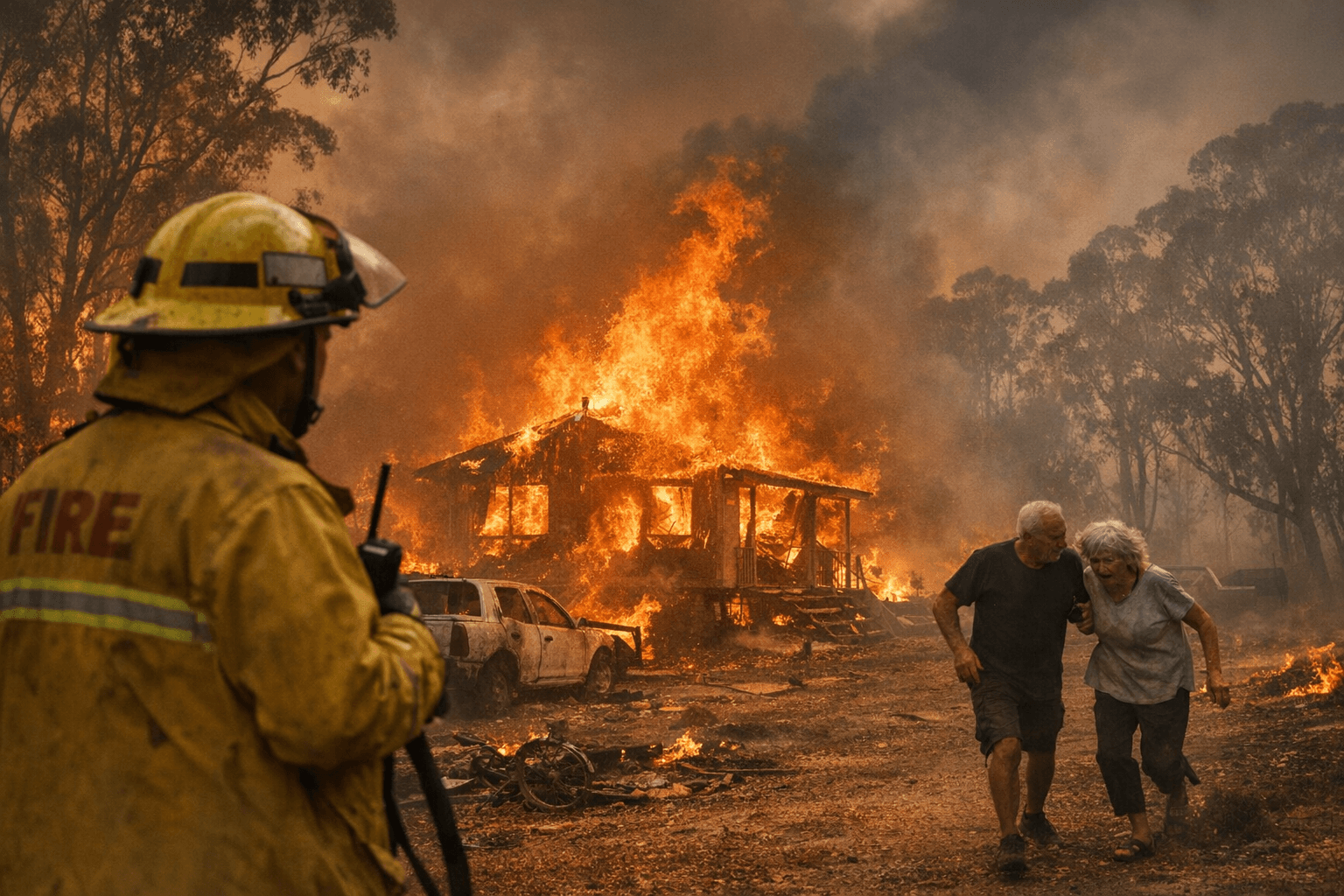
Hundreds of firefighters were mobilised from across Australia to support the response. The state opened emergency relief and recovery payments and issued multiple evacuation orders and “take shelter now” warnings as conditions changed. Authorities listed towns and valleys in the Walwa area under urgent warnings, with examples including Granya, Walwa, Mitta Valley and Dartmouth. The state of disaster was reported to apply to multiple local government areas, covering 18 LGAs, giving emergency services legal authority to compel people to leave high-risk zones.
Premier Jacinta Allan framed the declaration as a life-saving necessity, saying, “It’s all about one thing: protecting Victorian lives,” and urging residents, “if you have been told to leave, go.” Telecommunications providers Optus and Telstra reported service outages and said repair crews would restore services when it was safe. Secondary impacts were already apparent: millions of residents endured prolonged extreme heat, and a wildlife group in neighbouring South Australia reported hundreds of baby bats died earlier in the week as stifling temperatures settled there.
While some areas saw easing conditions the morning after the declaration, officials warned that the fires could continue to burn for days, if not weeks, and that shifting winds and ongoing hot weather would keep fire danger high. Damage assessments are ongoing, and authorities cautioned that figures for destroyed structures and affected communities could rise as crews gain access to impacted areas.
Sources:
Know something we missed? Have a correction or additional information?
Submit a Tip