Vietnam Widens State Secrets, Press Rules, Critics Warn of Chill
Vietnam's National Assembly has approved amendments to press and state secrets laws, measures rights groups say will make it far harder for journalists to protect sources and broaden the scope of information deemed secret. The changes deepen constraints on an already tightly controlled media environment, with implications for transparency, diplomacy, and foreign investment.

Vietnam's National Assembly on Wednesday approved amendments to the country's press law and state secrets legislation that rights groups and press freedom advocates say will significantly curtail journalists' ability to protect confidential sources and expand government secrecy. Reuters reported the measures passed after debate behind closed doors and are now set to take effect in the coming months.
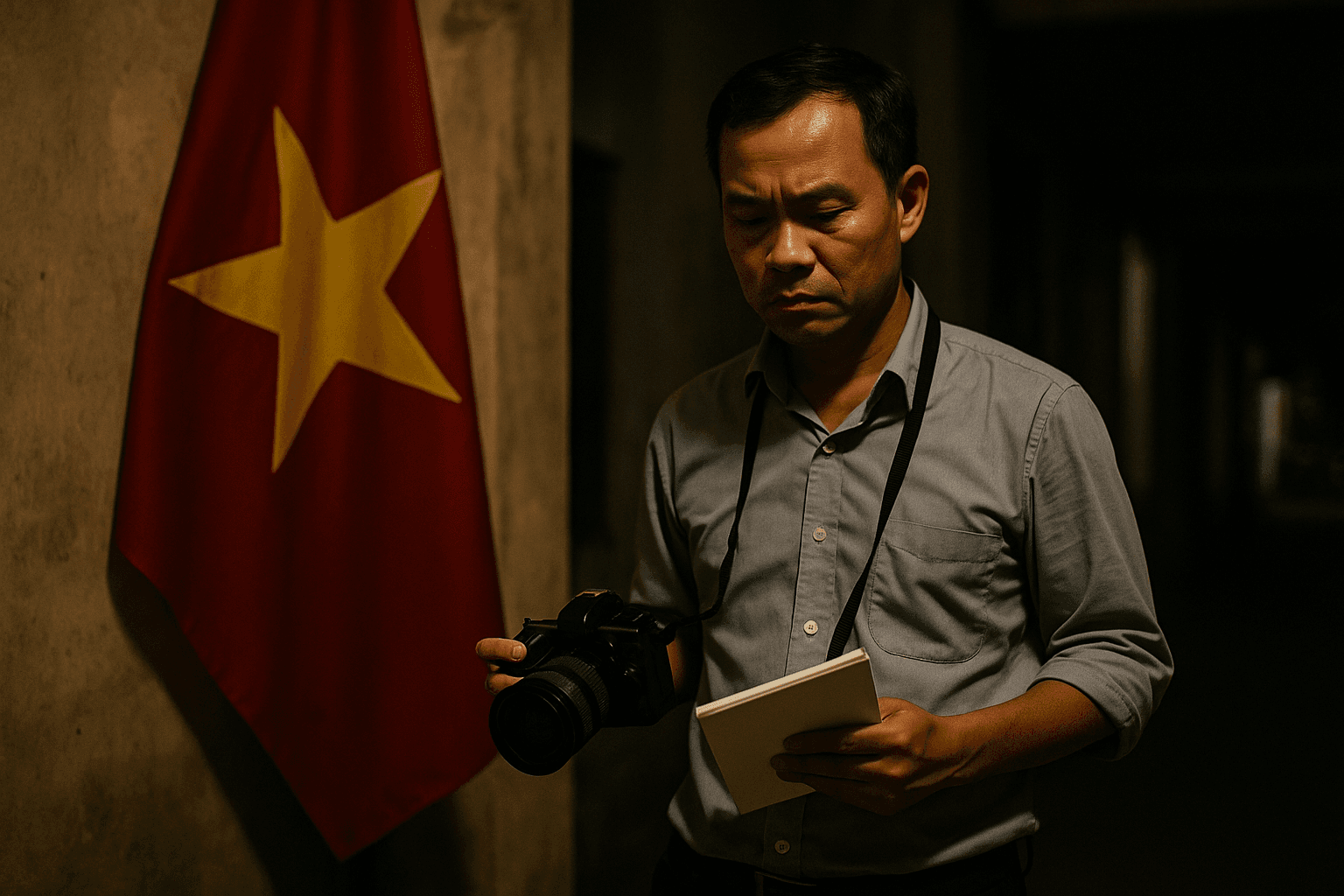
Under the new provisions, a wider range of authorities may compel journalists to disclose their sources as part of criminal investigations. Public security organs and local police, rather than judges alone, will be able to demand source information in probes of any crime, not only those previously classified as serious crimes. Rights organizations warn that this removes an important judicial safeguard and increases the risk that reporters and informants will face pressure, intimidation, or legal jeopardy.
Amendments to state secrets rules also broaden categories of protected information. The revised law adds protections for information about the overseas activities of leaders and for the content of international settlements. Legal analysts and civil society groups say that expansion could shield a range of matters from public scrutiny, including diplomatic interactions and commercial agreements involving the state, reducing transparency in areas with cross border implications.
Reporters Without Borders criticized the changes, saying they further restrict an already constrained media environment in Vietnam. Human rights and press freedom groups told Reuters they expect the amendments will encourage greater self censorship and deter investigative reporting on sensitive topics. Those groups also warned that the new framework will complicate the work of foreign and independent journalists operating in Vietnam.
The laws come amid increasing international attention to media freedom and governance in Southeast Asia. Vietnam operates under a single party political system that tightly controls traditional media outlets and subjects online commentary to regulation. Observers say the amendments will reinforce existing mechanisms of control, while making it more difficult for whistleblowers and civil society actors to expose wrongdoing without fear of reprisal.
Beyond domestic media implications, the expanded secrecy rules could affect international business and diplomacy. Protections for leaders' overseas activities and settlement details may limit information available to foreign partners, investors, and courts, complicating due diligence and accountability in cross border transactions. Transparency advocates say the changes risk isolating Vietnam from global norms on openness that many multinational companies and governments expect.
Vietnamese authorities defend strong state secrecy rules as necessary to protect national security and social stability, particularly in a region marked by geopolitical tensions. Proponents of the amendments say that modernizing legal frameworks is essential for maintaining order and preventing misuse of sensitive information. But rights defenders counter that without clear judicial oversight and narrow definitions of secrecy, such laws are prone to abuse.
The passage of the amendments is likely to prompt fresh scrutiny from international rights bodies and media organizations. For journalists and civic activists inside Vietnam, the changes mark a tightening of the legal environment that will shape reporting and public discourse for years to come.
Sources:
Know something we missed? Have a correction or additional information?
Submit a Tip