World Bank, Gavi to mobilize $2 billion for vaccines and primary care
The World Bank Group and Gavi announced a joint effort to mobilize at least $2 billion over five years to strengthen immunization systems and primary health care, with a strong emphasis on building vaccine manufacturing capacity in Africa. The move aims to boost sustainable financing and local production, and to help reach the World Bank goal of providing quality, affordable health services to 1.5 billion people by 2030.
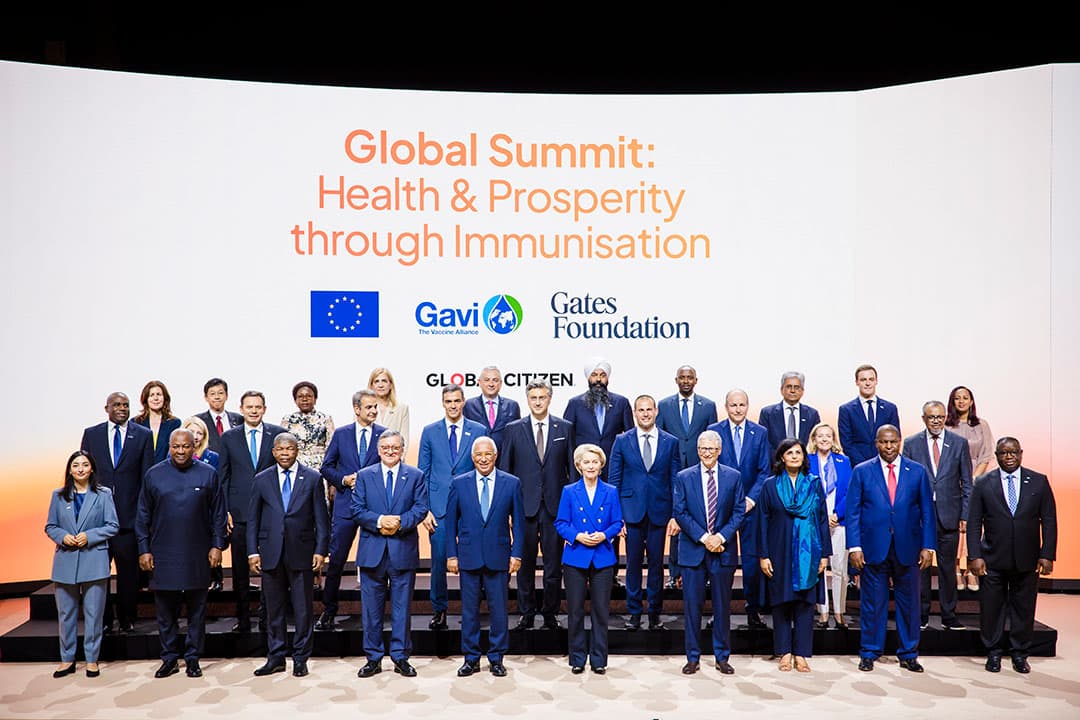
The World Bank Group and Gavi, the Vaccine Alliance, announced on December 6, 2025 a joint financing initiative intended to mobilize at least $2 billion over the next five years to bolster immunization systems and primary health care, with a particular focus on expanding vaccine manufacturing capacity in Africa. The collaboration was described by both organizations as a step toward making vaccine and primary care financing more sustainable while supporting local production in lower income regions.
Officials framed the effort as part of the World Bank’s broader objective of reaching 1.5 billion people with quality, affordable health services by 2030. The package will combine blended finance instruments with direct technical support to countries, aiming to strengthen supply chains, regulatory systems, and the delivery platforms that connect vaccines to communities. Reuters reported on the announcement and characterized it as a notable escalation in efforts to scale local manufacturing where global supply gaps have exacerbated inequities.
Public health experts say financing tied to manufacturing can reduce long term vulnerabilities that arise when lower income countries rely on external suppliers. Building local production capacity is likely to improve vaccine security during outbreaks, shorten lead times for routine immunization programs, and create more predictable budgeting for ministries of health. For communities that have experienced repeated disruptions in vaccine supply, the promise of more stable access could translate into fewer missed doses and lower rates of vaccine preventable illness.
However, the initiative also highlights persistent systemic challenges. Expanding manufacturing alone will not solve shortages if primary health care systems remain underfunded, if health workforces are thin, or if cold chain and delivery infrastructure are weak. Sustained technical assistance and long term financing will be required to ensure that factories translate into usable vaccines at the clinic level. The use of blended finance raises policy questions about the balance between mobilizing private capital and preserving public health priorities, particularly in places where revenue generation and affordability must be carefully reconciled.
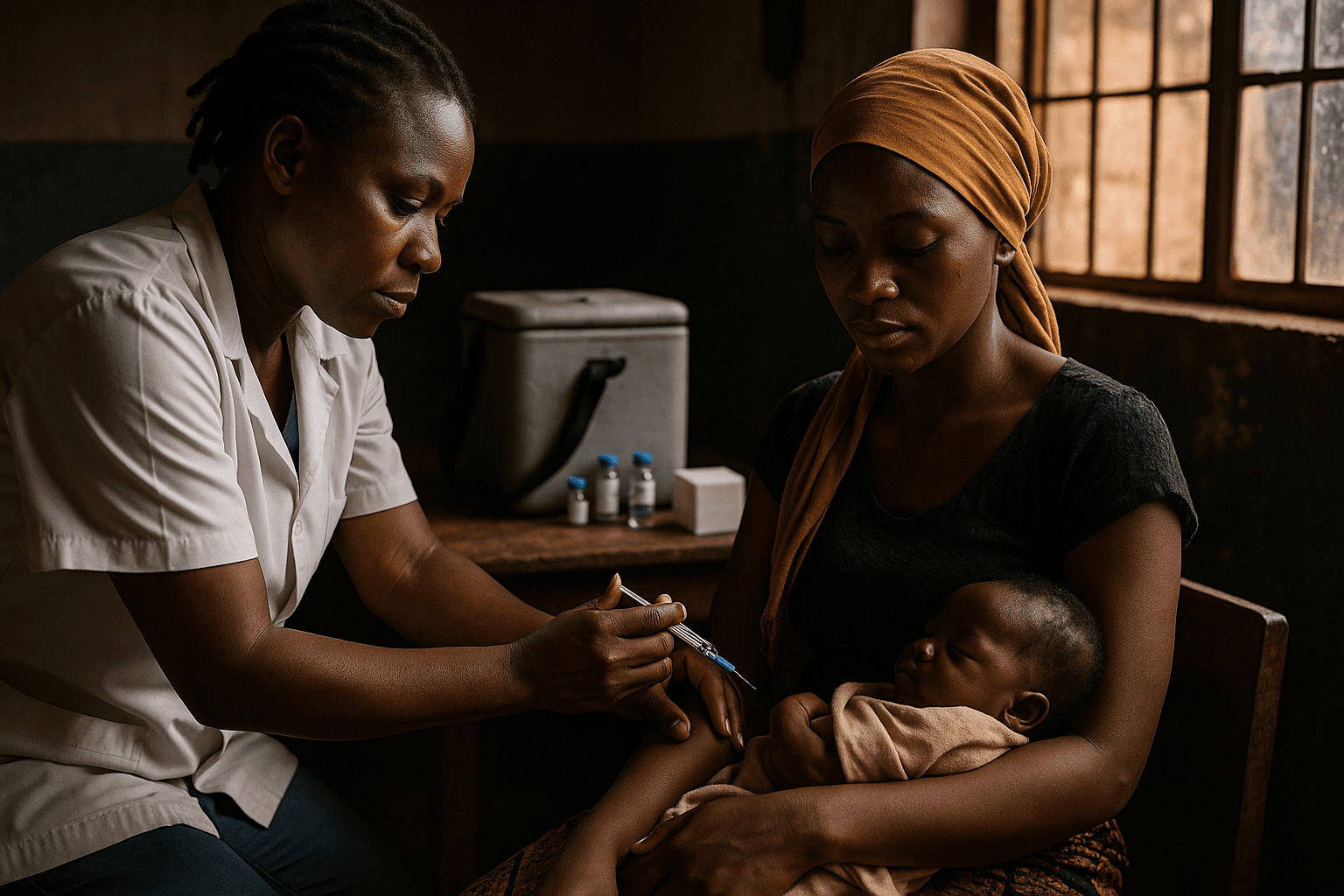
The announcement comes amid earlier shifts in U.S. policy on Gavi funding, a context that underlines the fragility of donor driven programs and the urgency of diversifying financing sources. By offering a combination of loans, guarantees, and grants together with capacity building, the World Bank and Gavi signaled a strategy aimed at reducing donor dependency while supporting country led solutions.
For policymakers and advocates, the collaboration will be judged on its ability to reach remote and underserved populations, to strengthen frontline health workers, and to ensure that new manufacturing capacity does not entrench inequities. Community level impact will depend on thoughtful deployment of funds toward health systems that can absorb increased supply and translate it into higher vaccination coverage and stronger primary care services.
The coming months will reveal how funding commitments are allocated across countries and projects, and whether blended finance arrangements can be structured to prioritize equity and long term sustainability as effectively as they target production capacity.