Zaporizhzhia Plant Loses Off Site Power Briefly, IAEA Warns
The IAEA reported that Ukraine’s Zaporizhzhia nuclear power plant briefly lost all off site power overnight on December 6, but was reconnected to a 330 kilovolt line after about 30 minutes. The interruption underscores persistent safety risks from fighting near the site, and highlights potential consequences for European energy stability and market volatility.
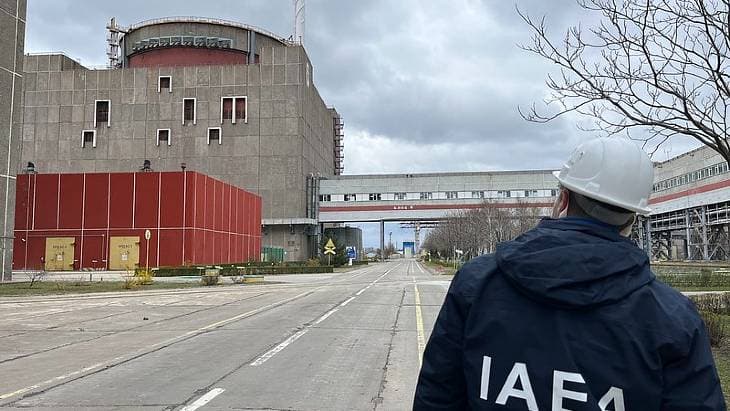
The International Atomic Energy Agency said Ukraine’s Zaporizhzhia nuclear power plant experienced a temporary total loss of off site power overnight on December 6, creating a narrowly averted nuclear safety incident at Europe’s largest nuclear facility. Off site power was restored to a 330 kilovolt line after roughly 30 minutes, the IAEA reported, and radiation levels remained within normal limits throughout the disruption.
The plant, which has been under Russian control since 2022 and contains six reactor units with an aggregate gross capacity in the multi gigawatt range, is not generating electricity. Nonetheless the facility relies on external power to operate systems that cool reactor cores and manage spent fuel. The IAEA said emergency diesel generators and available external lines stepped in during the outage and helped prevent escalation.
Agency monitors attributed the outage to large scale military activity that has disrupted parts of Ukraine’s power grid. The episode is the latest in a pattern of grid interruptions and infrastructure damage linked to persistent fighting across the region. The IAEA warned that off site power at Zaporizhzhia remains fragile and that ongoing hostilities near the plant maintain an elevated risk to nuclear safety.
Beyond the immediate technical hazard, the incident carries wider implications for energy markets and policy. Although Zaporizhzhia is not feeding power into civilian grids, the plant’s precarious status feeds uncertainty into European electricity markets, where conflict related supply risks add to existing volatility. Investors and utilities factor in risk premiums when infrastructure can be threatened by military action, and that premium tends to raise financing costs for energy projects and for rebuilding grid resilience.
At the same time, the need to rely on diesel generators during outages carries economic and environmental costs. Fuel for emergency generators is expensive under conditions of constrained logistics and market volatility, and prolonged reliance on backup generation increases emissions and operational expenditure for operators tasked with maintaining safe conditions at the site.
The incident also amplifies policy debates on the protection of civilian nuclear infrastructure in conflict zones. European governments and international institutions face pressure to accelerate measures that harden grids, diversify supply, and enhance remote monitoring and rapid response capacity. The IAEA’s findings are likely to intensify calls for clearer protocols to insulate nuclear facilities from battlefield risks, and to strengthen international oversight and guarantees around plant safety.
Long term trends underscore the tension between energy transition goals and short term security realities. Since 2022 European nations have pushed to reduce dependence on Russian gas and accelerate renewables. That strategy increases the importance of resilient transmission networks and storage solutions that can withstand shocks. For policymakers, the Zaporizhzhia outage is a reminder that modern grids must be engineered not only for variability but also for geopolitical risk.
For now the plant remains stable under IAEA monitoring, but the episode on December 6 reinforces a stark conclusion from the agency. When civilian nuclear infrastructure sits at the margins of a conflict zone, technical safeguards can work to avert immediate disaster, but systemic risks persist until the fighting stops and long term protections are put in place.