Zelenskiy Convenes European Leaders in London as U.S. Presses Peace Push
Ukrainian President Volodymyr Zelenskiy is meeting leaders from Britain, France and Germany in London as Washington increases pressure on Kyiv over a U.S. backed peace initiative with Russia, a meeting that could shape the next phase of Europe security. The consultations matter because they will test transatlantic unity, determine urgent air defence and financial commitments for Ukraine, and influence whether Kyiv accepts mediated terms that may reshape the conflict and regional stability.
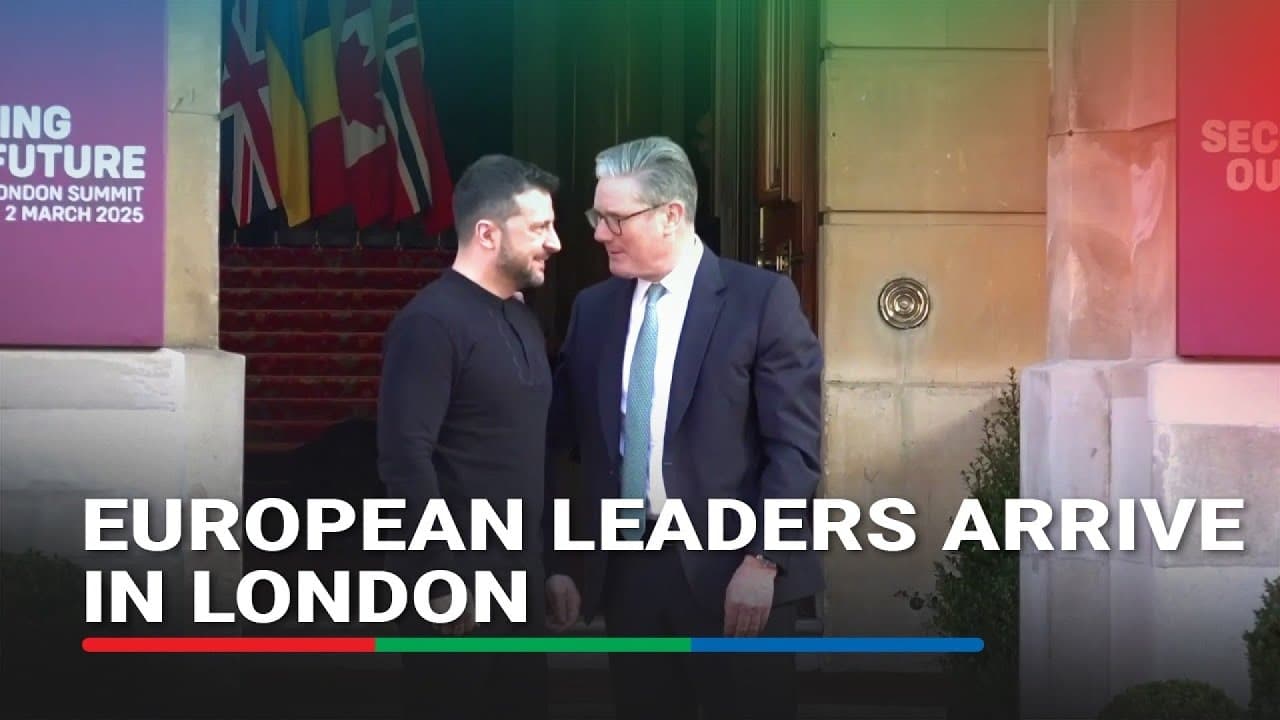
President Volodymyr Zelenskiy is convening British, French and German leaders in London as the United States presses Kyiv to engage with a U.S. backed peace initiative involving Moscow. The talks, taking place amid intense shuttle diplomacy by U.S. envoys, are intended to shore up support for Ukraine on security, resilience and long term funding needs, with particular emphasis on air defence systems and sustained economic backing.
European capitals view the meeting as a crucial moment to align practical assistance with diplomatic strategy. Officials from France and Germany are traveling to London to consult directly with Zelenskiy, reflecting the growing desire among leading European powers to shape outcomes rather than be passive recipients of a process led from Washington. Ukrainian negotiators have described U.S. led talks as "constructive but not easy." Zelenskiy said the consultations were beginning a "new diplomatic week," underscoring Kyiv's intent to engage and to coordinate closely with its closest partners.
The timing highlights growing tensions within the Western camp. U.S. envoys including Steve Witkoff and Jared Kushner have been reported to shuttle between capitals and Moscow as part of wider diplomatic activity, intensifying pressure on Kyiv to consider terms that U.S. mediators view as a pathway to end active hostilities. Western diplomats acknowledge the urgency of finding a diplomatic exit from a conflict that has consumed enormous military and economic resources, but European leaders in London must weigh any agreement against the risks of frozen conflict, legal obligations to Ukraine's sovereignty, and the need for enforceable security guarantees.
For Kyiv the stakes are existential. Immediate needs include replenishing advanced air defences that protect population centres and critical infrastructure, and securing assurances of long term financial support to sustain governance and reconstruction. European capitals have increasingly emphasized resilience, including energy security and supply chain support, as central pillars of assistance that will determine whether Ukraine can survive a negotiated pause without losing sovereign control over territory.
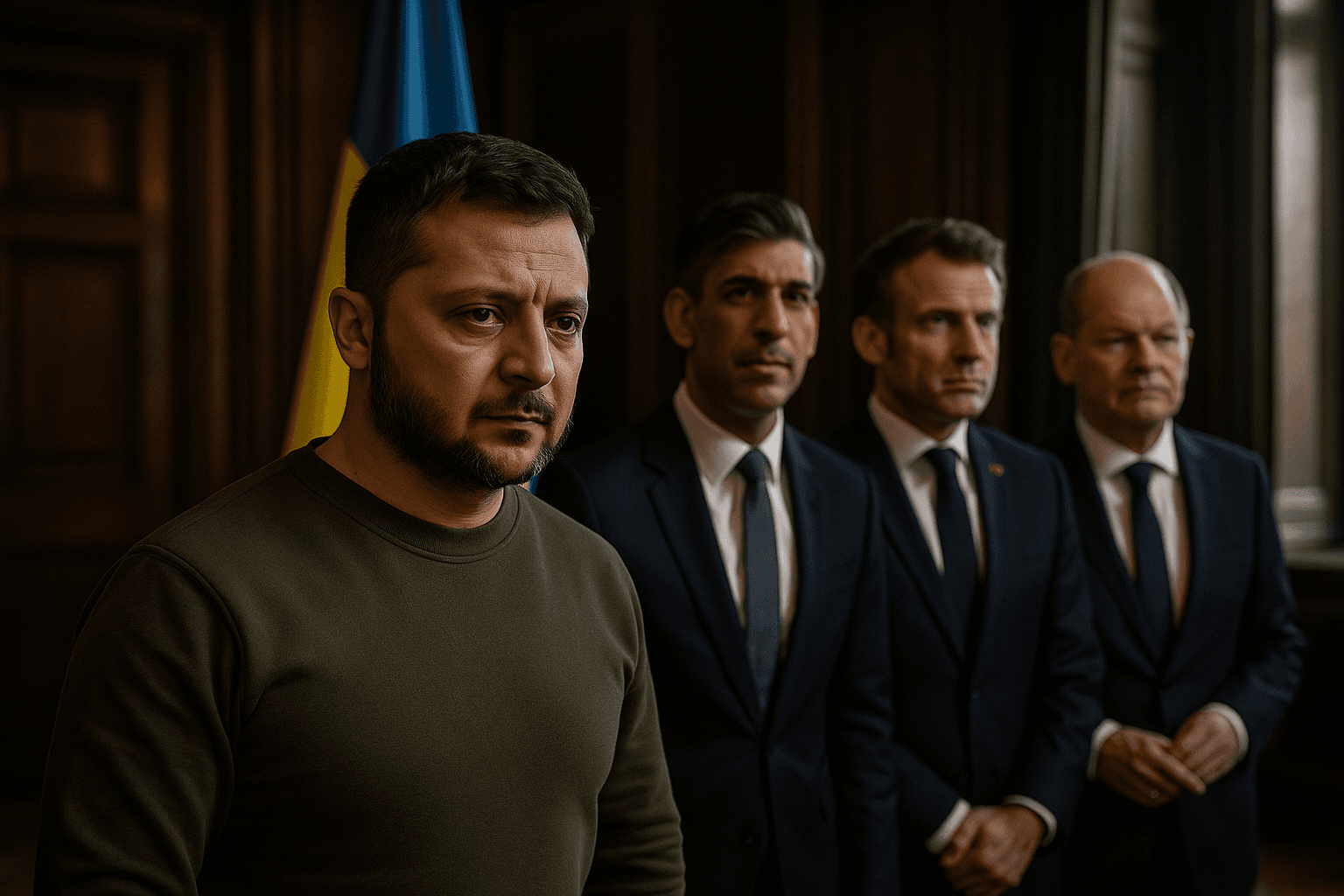
The consultations also reveal broader geopolitical dynamics. European governments worry that a deal negotiated without robust verification mechanisms risks legitimizing territorial concessions and undermining international law. They are equally concerned that mounting public fatigue over the conflict could pressure domestic politics to favor an expedient settlement that leaves unresolved the core questions of justice and accountability.
In London the immediate task is pragmatic coordination. Leaders will attempt to harmonize military aid deliveries, map financing for months ahead, and agree on a joint diplomatic posture in talks that may proceed in parallel with U.S. led engagement. The outcome will determine whether Europe can present a united front to Kyiv and Moscow, and whether transatlantic pressure produces a durable reduction in violence or simply a fragile pause that would invite renewed confrontation.